Kritische componenten van glas en keramiek in het hart van uw systeem
Totaaloplossingen in glas en keramiek
LouwersHanique is een klantgedreven leverancier die technisch glas, keramiek en andere speciale materiaalcombinaties bewerkt en vervaardigt. Met meer dan 70 jaar ervaring in het werken aan complexe, precisie oplossingen voor hightech bedrijven, profiteert u maximaal van onze kennis op het aller hoogste kwaliteitsniveau.
Van ontwikkeling tot volledige productie, montage, cleaning voor ultra high vacuüm en kwalificatie. LouwersHanique is in staat om volledige in-house productieoplossingen te leveren en kan uw R&D en engineering afdeling bijstaan als kennis- en productiepartner.
Ontdek onze oplossingen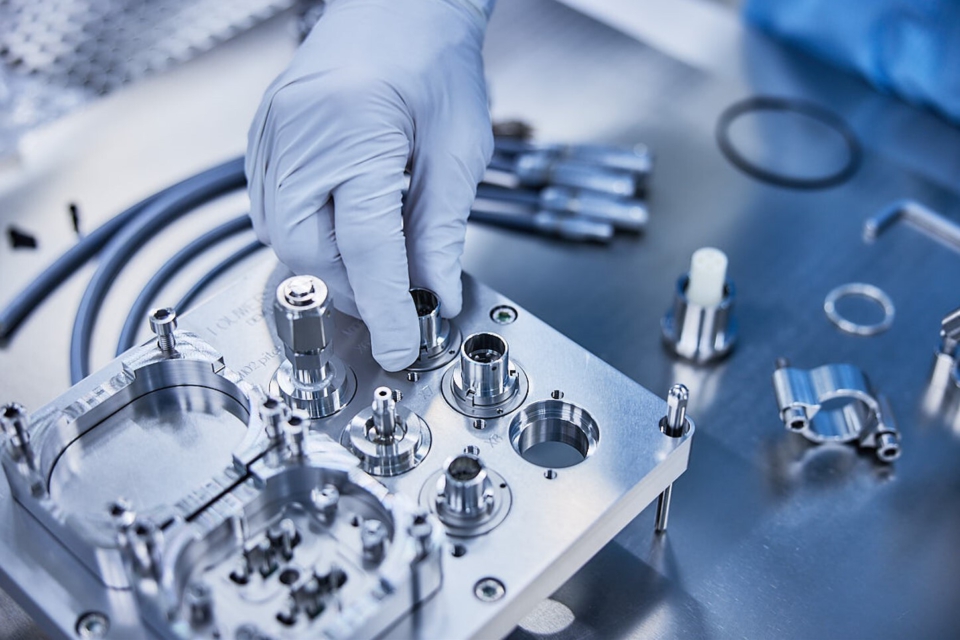
Synergie
Wij ontwikkelen speciale materiaal en technologiecombinaties om tot de best mogelijk geïntegreerde oplossingen te komen.
Door gebruik te maken van de unieke kenmerken van glas en keramiek, kunnen we synergiën creëren die de prestaties van een product zodanig kunnen maximaliseren en waarborgen zodat er een concurrentievoordeel ontstaat voor onze klanten en hun applicatie. De op maat gemaakte componenten, bewerkt door LouwersHanique, spelen veelal een kritische rol in een product of systeem.

Proces
Het bewerken van glas, keramiek en andere bijzondere materiaal combinaties is onze voornaamste activiteit. Om consistent te produceren op micro precisie niveau is er geen ruimte voor zelfs de kleinste afwijkingen. Door unieke productieprocessen te ontwikkelen volgens de World Class Manufacturing principes zijn we in staat om een constante kwaliteit te leveren.
Daarbij passen wij voortdurend nieuwste technologieën toe. Deze combinatie van de nieuwste productie systemen en processen zorgt ervoor dat we kunnen voldoen aan de hoogste verwachtingen op het gebied van constante kwaliteit en levertijd.
Bewezen oplossingen voor kritische componenten
LouwersHanique is een klant gedreven leverancier die technisch glas, keramiek en andere speciale materiaalcombinaties bewerkt, om complexe, zeer nauwkeurige oplossingen te creëren voor hightech bedrijven. We streven ernaar om met onze expertise constant een bijdrage te leveren aan het ontwerp van een product of systeem.


Enkele markten waarin wij werkzaam zijn
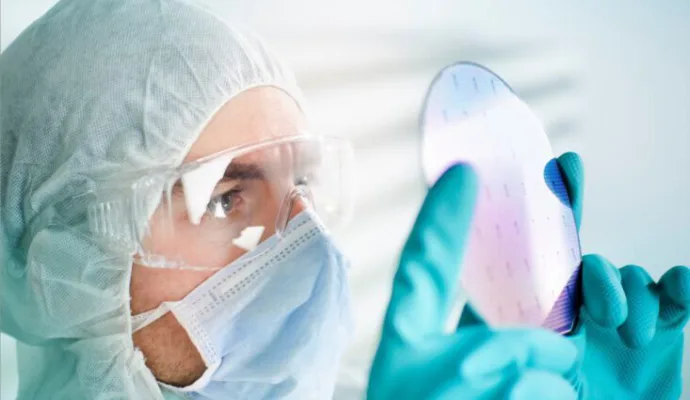
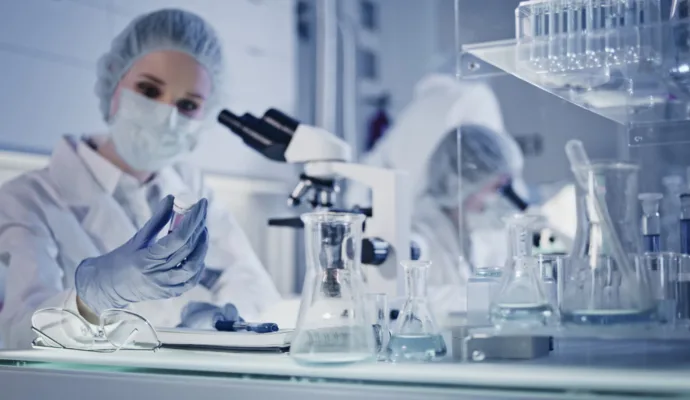
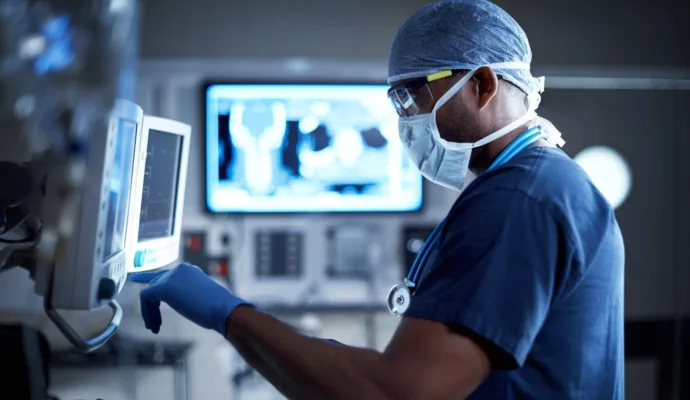
We zijn actief in verschillende hightech markten zoals de semiconductor, lifescience, medische en biotech. De ontwikkeltrajecten van onze klanten zijn vaak complex, innovatief en grensverleggend. LouwersHanique draagt met zijn kennis en unieke oplossingen bij aan de innovaties van onze klanten.
Waarom LouwersHanique?
Wij bieden een compleet assortiment aan diensten voor de gehele levensduur van een project, vanaf co-development , ontwerptoetsing (Design for manufacturing) , bewerking, montage, UHV reiniging tot volume productie.